The home equipment market has significantly expanded in recent years, with connected objects, standardized security devices, and housing adaptation solutions. In the face of this offering, the challenge is no longer finding a product, but determining which equipment meets a real need in a comfortable and secure home. Several areas deserve close examination: energy resilience, accident prevention, and the concrete role of home automation beyond marketing rhetoric.
Home energy stations: a backup solution still poorly known
Prolonged power outages pose a concrete safety issue. A remote monitoring system, an Internet box, or a refrigerator containing temperature-sensitive medications become useless without power. Since 2023, choice guides have highlighted domestic lithium energy stations as an alternative to thermal generators.
Their main advantage lies in the absence of exhaust gases, allowing for indoor use without the risk of carbon monoxide poisoning. No fuel storage is required either, resulting in fewer fire safety constraints. For a household that relies on connected devices (alarm, cameras, supplementary lighting), this type of station maintains autonomy for the necessary duration.
Field feedback varies on this point: the actual capacity of these stations depends on ambient temperature and the number of devices plugged in simultaneously. Before investing, it is essential to list precisely the devices to prioritize for power supply and check the output power of the station. Among the equipment offered by Direct Home, you can find these types of solutions focused on comfort and safety, suitable for different housing configurations.
Bathroom safety: the most accident-prone room in the house
The bathroom is the leading room responsible for falls at home, ahead of stairs. This finding, regularly reiterated by guides dedicated to home care, directs renovation priorities well beyond mere aesthetics.
Targeted adaptation work
Transforming a bathtub into a secure shower is the first lever for prevention. A flat, non-slip shower tray, a foldable shower seat, and properly fixed grab bars significantly reduce the risk of slipping. These installations are not only for seniors: a wet floor remains dangerous for all occupants.
These housing adaptation works can, in some cases, entitle one to a tax credit when they aim to support the autonomy of elderly or disabled individuals. Eligibility conditions depend on the type of work and the household situation. Checking the criteria before starting a project avoids unpleasant surprises at tax declaration time.
Beyond the shower: the details that matter
A floor covering rated as non-slip, sufficient lighting (including at night, via a motion-detecting night light), and accessible storage without the need to bend down complete the safety measures for this room. The layout of the bathroom well summarizes the approach to adopt for the entire house: starting from actual use before choosing the equipment.
Smoke detectors and fire prevention: beyond legal obligations
The smoke detector has been a legal requirement in every home since January 1, 2016. One device per level, installed at height, avoiding the kitchen and bathroom to limit false alarms. The owner provides the equipment, and the tenant checks its proper functioning.
This minimal framework leaves several blind spots. A mobile powder extinguisher placed in the entrance, kitchen, or garage can neutralize a budding fire before it spreads. The fire blanket, often overlooked, smothers a flame on clothing or in a pan more quickly than an extinguisher.
- The autonomous carbon monoxide alarm (DAACO) complements the system for homes equipped with a combustion device (gas boiler, wood stove, fireplace). This odorless gas causes serious poisonings every year.
- The surge protector safeguards sensitive electrical equipment (home automation box, computer, energy station) against voltage spikes, the leading cause of domestic electrical failure.
- Regular chimney sweeping remains a requirement for households using wood or oil heating and often conditions coverage in case of a disaster by home insurance.
Each of these devices is inexpensive, but their absence can invalidate a home insurance guarantee in the event of a disaster. Checking the clauses of your contract allows you to know precisely which equipment is expected.

Home automation and connected homes: what the promises don’t say
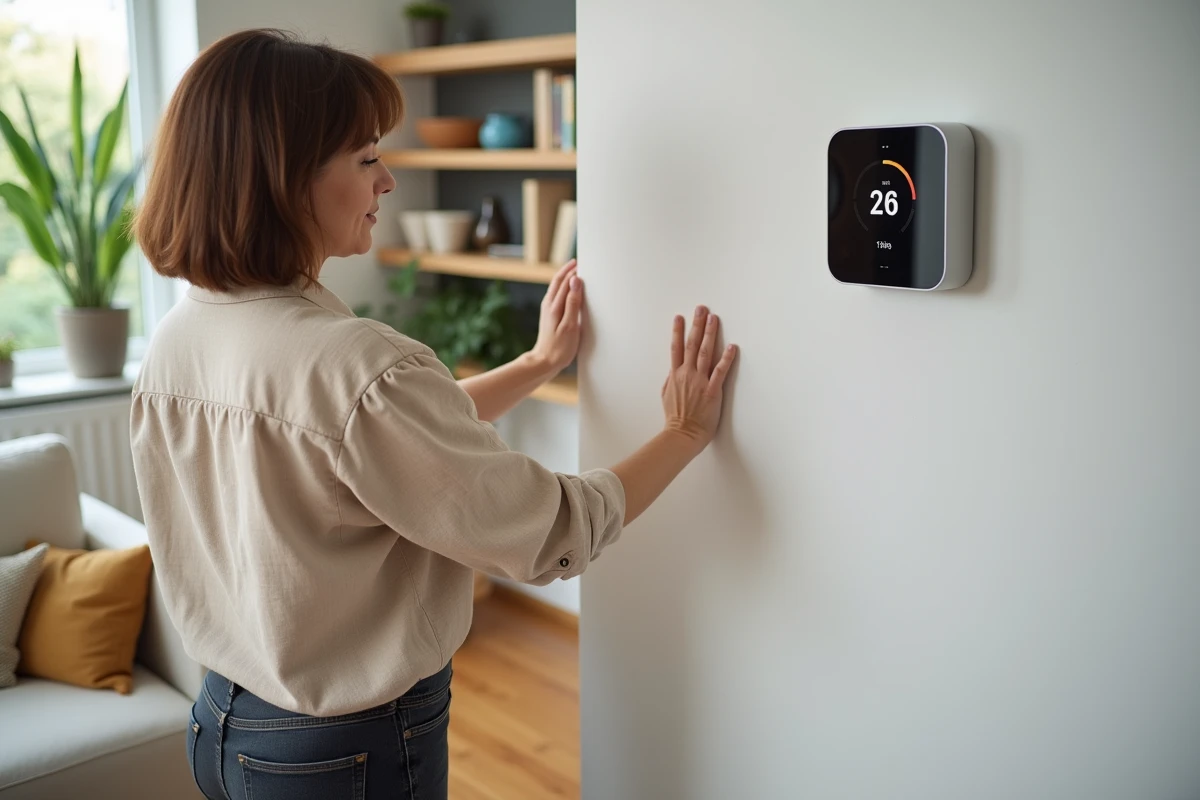
Home automation systems centralize the management of lighting, heating, shutters, and security from a mobile app. The comfort gained is real: programming the closing of shutters remotely, adjusting heating consumption room by room, receiving an alert in case of intrusion.
However, the available data do not allow for conclusions about the actual energy savings achieved. Manufacturers claim consumption reductions related to intelligent heating control, but these gains depend heavily on the insulation of the home, the habits of the occupants, and the quality of the installation.
A rarely discussed point: dependence on Wi-Fi and electricity weakens the entire system. A power outage simultaneously disables the connected alarm, cameras, motorized shutters, and thermostat. This is precisely where the emergency energy station mentioned earlier becomes practically useful.
Before equipping a connected home, it is also essential to check compatibility between brands and communication protocols. Some devices work exclusively with a given ecosystem, limiting upgrade possibilities and creating dependence on a single supplier.
Equipping a comfortable and secure home relies less on accumulating gadgets and more on accurately identifying the vulnerabilities of the dwelling. An unadapted bathroom, a chimney that has never been cleaned, or an absent carbon monoxide detector represent concrete risks that home automation alone cannot compensate for. Every investment in equipment should address an identified risk, not a trend.