The world of finance is evolving at a breakneck speed, and with it, payment methods. Among these innovations, the bankless card occupies an increasingly central place. Flexibility, accessibility, and security are the key words that define this new era. These cards, which free themselves from the traditional constraints of banks, meet a growing demand for simplicity and financial autonomy. Whether you are a seasoned traveler, a concerned parent, or simply looking for a convenient payment method, the bankless card offers a solution tailored to today’s needs.
The advantages of bankless cards
Bankless cards attract an increasingly wide audience thanks to their numerous advantages. These cards allow for simplified management of finances while offering a certain freedom of use.
- Increased accessibility: unlike traditional bank cards, obtaining a bankless card does not always require proof of income or residence. This is a major asset for people with limited access to traditional banking services.
- Enhanced security: transactions made with these cards are often more secure. Users do not risk compromising their main account in case of loss or theft of the card.
- Budget control: prepaid cards allow you to spend only the money loaded onto the card. This helps avoid overdrafts and encourages more rigorous budget management.
- International use: they are generally accepted internationally. An advantage for those who travel frequently and want to avoid high banking fees related to foreign transactions.
How bankless cards work
To fully understand the appeal of bankless cards, it is important to look at how they work. These cards stand out for their ease of use and the diversity of their reloading methods.
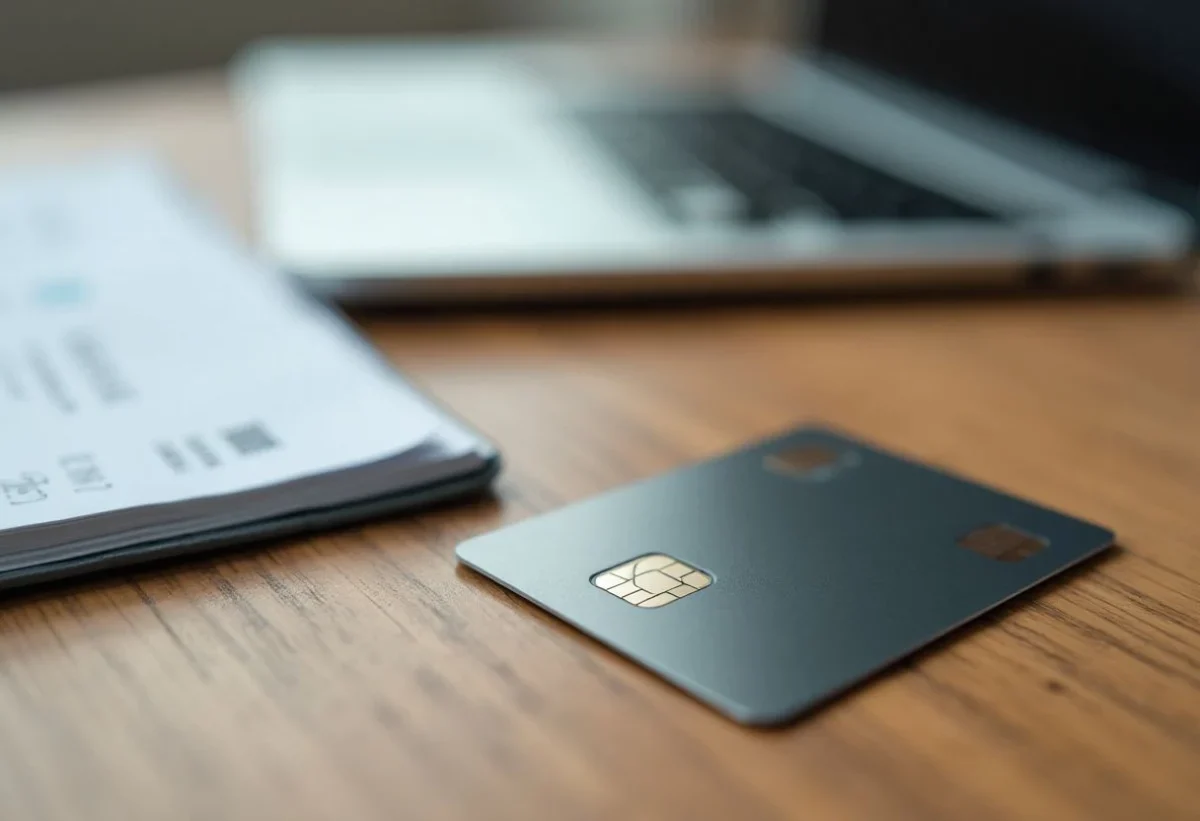
Users must first obtain a card, often available online or at certain physical retail locations. Then, the card can be reloaded through various means such as bank transfers, cash deposits, or even mobile applications. Once credited, the card functions like a traditional debit card, allowing for online or in-store payments and cash withdrawals. The lack of a direct link to a traditional bank account is one of the major advantages of these cards, making financial management more independent.
The limitations of bankless cards
Despite their many advantages, bankless cards also present certain limitations that are essential to consider before adopting them.
- Usage fees: although often minimal, some fees may apply for activation, reloading, or cash withdrawals made with the card. It is therefore crucial to be well-informed about the fee structure before choosing a card.
- Spending limits: some cards impose limits on the maximum amount that can be loaded or spent. This can be restrictive for those wishing to make significant purchases.
- Lack of additional services: unlike traditional banks, these cards do not offer services such as credit, overdrafts, or financial advice.
Categories of bankless cards
In the world of bankless cards, several types stand out, each catering to specific needs and offering varied functionalities.
There are, among others, rechargeable prepaid cards, ideal for occasional use or travel. Gift cards, on the other hand, are perfect for giving to loved ones and avoiding impersonal gifts. There are also cards dedicated to teenagers, which allow young people to learn how to manage their pocket money securely. Finally, business cards appeal to companies looking to simplify the management of expense reports and small everyday expenses.
The growing popularity of the bankless card reflects a shift towards more accessible and flexible finance. Although they do not entirely replace traditional banks, these cards represent a valuable alternative for those seeking simplicity and financial autonomy.