Women’s magazines in 2025 cover a wide spectrum, from high-end fashion to wellness, parenting, and culture. Comparing these titles requires looking beyond the editorial content: publication frequency, format (print, digital, or both), pricing strategy, and actual audience. This ranking is based on circulation, digital presence, and the diversity of sections to create the top 10 best women’s magazines to read this year.
1. Elle
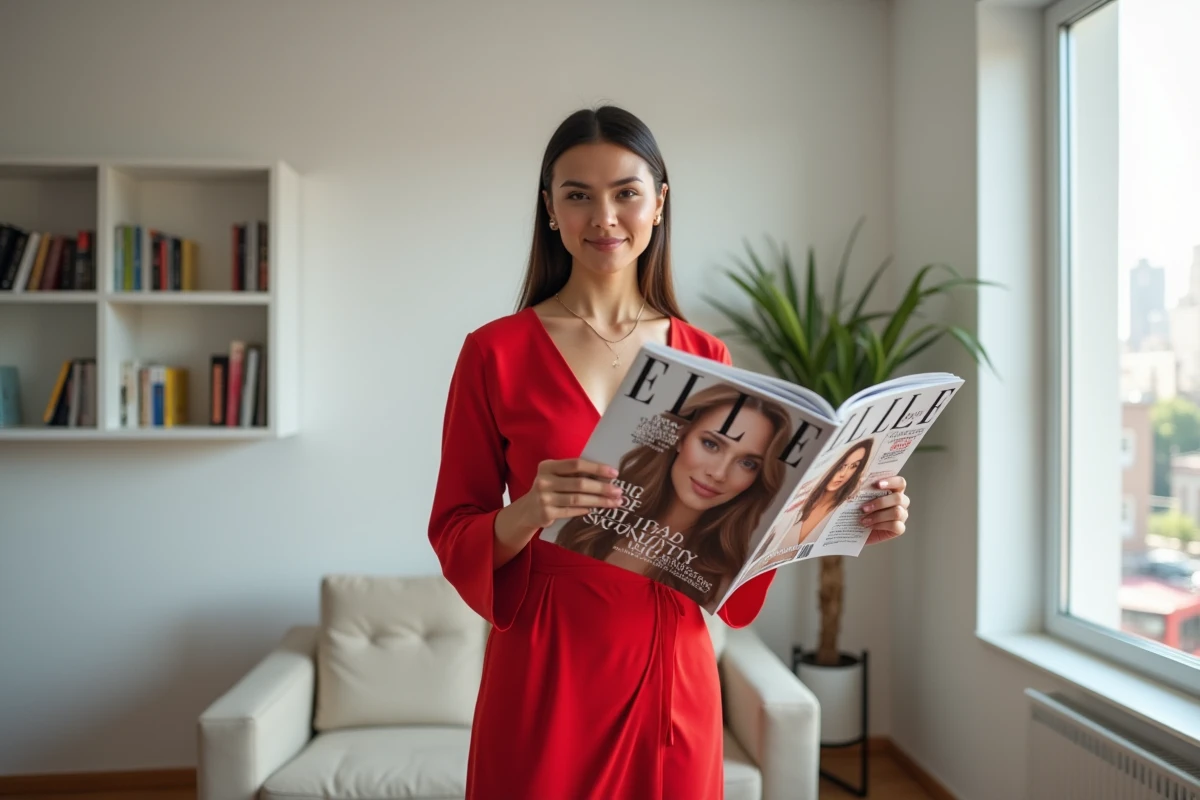
Elle remains the reference for fashion and society in the French-speaking women’s press. Originally a monthly that became a historic weekly, the title alternates in-depth reports, societal issues, and fashion pages signed by renowned stylists.
The magazine focuses on an advanced digital strategy, with a website updated several times a day and a strong presence on social media. On newsstands, the June 2026 issues regularly include promotional gifts (branded scarves, beauty products) to boost print sales.
Its editorial line oscillates between haute couture and accessible ready-to-wear, allowing it to reach readers from twenty-five to fifty years old. For a deeper look at this overview, check the top 10 best women’s magazines in detail.
2. Marie Claire
Marie Claire stands out with an editorial approach focused on engagement. Reports on pay equity, reproductive health, or textile ecology sit alongside beauty pages and fashion portfolios.
The title offers a print subscription combined with full digital access. Its positioning blends fashion and investigative journalism, a niche that few competitors occupy with the same regularity.
Promotional operations at kiosks (sunscreens, branded accessories) also help maintain its visibility against digital pure players.
3. Femme Actuelle
Femme Actuelle dominates the total combined print and digital audience. Its website generates regular traffic thanks to daily sections: recipes, health, horoscopes, celebrity news.
The print weekly remains accessible at one of the lowest prices in the segment. It targets a broad readership, without restrictive age brackets, with a direct and practical tone.
- Key sections: cooking (quick and seasonal recipes), daily health, news analysis
- Format: weekly print + high-frequency website
- Distinctive advantage: one of the highest digital audiences among French women’s magazines
4. Version Femina

Version Femina occupies a unique place in this ranking. Distributed as a supplement to regional daily newspapers, the title achieves massive print circulation without going through newsstands.
This distribution model gives it a very large readership, often older than that of fashion monthlies. However, its digital presence lags behind brands like Femme Actuelle or Elle, which limits its total audience when digital is included.
5. Cosmopolitan
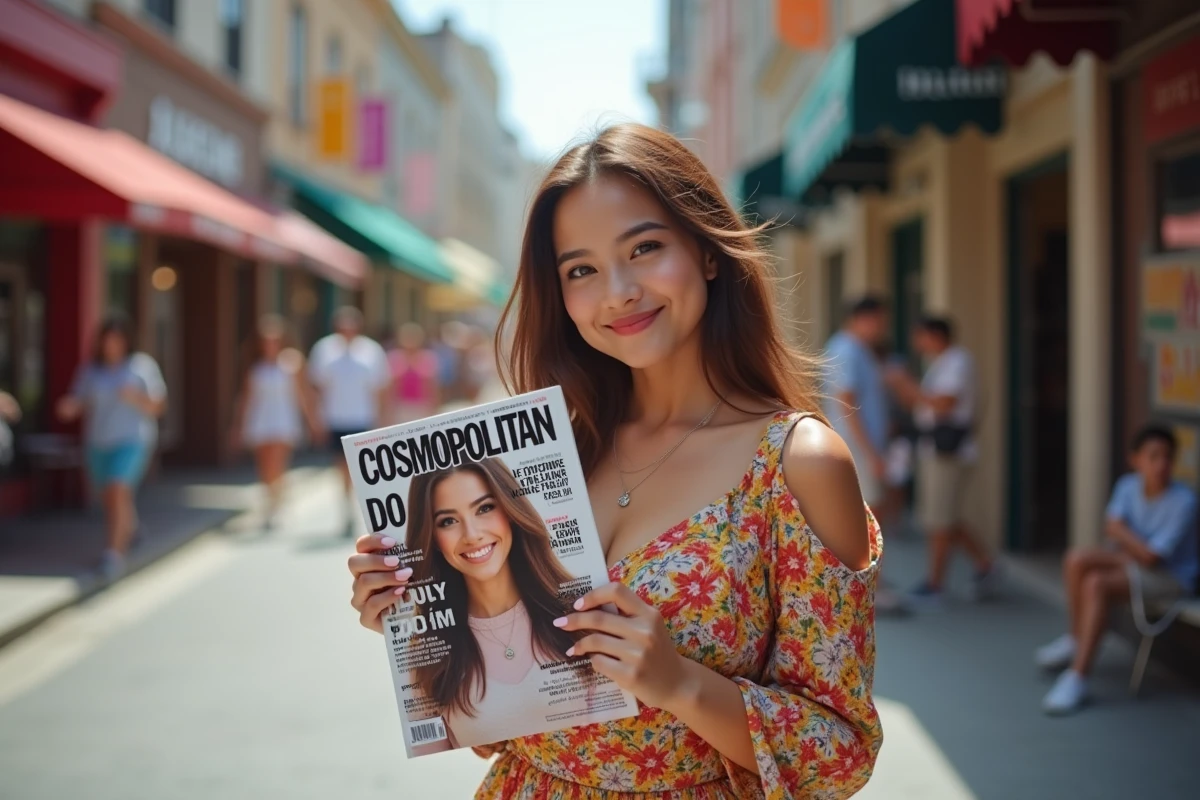
Cosmopolitan targets readers aged twenty to thirty-five with a relaxed tone. Sexuality, career, accessible fashion, and personal development form the editorial foundation.
The magazine focuses on short and impactful content, designed for quick reading. The monthly print format is complemented by a digital version and video content on social media.
However, the title loses depth on societal issues compared to Elle or Marie Claire, which may frustrate readers seeking analysis.
6. Biba
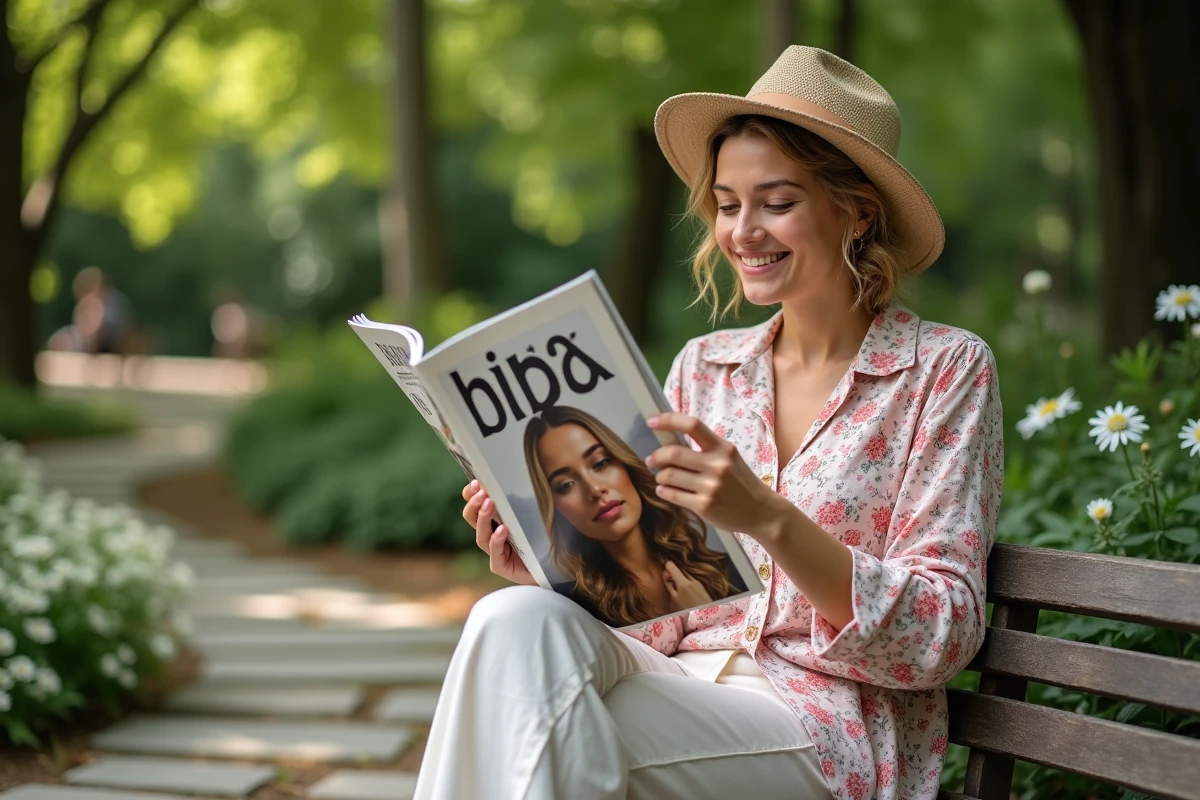
Biba offers a monthly focused on ready-to-wear fashion, beauty, and lifestyle. Its newsstand price remains moderate, and the title uses promotional gifts (sunglasses, beauty accessories) to maintain its print sales.
The editorial line aims for a warm tone, close to the reader, with coaching and psychology sections. Digital content exists but remains secondary compared to the print medium.
7. Psychologies Magazine
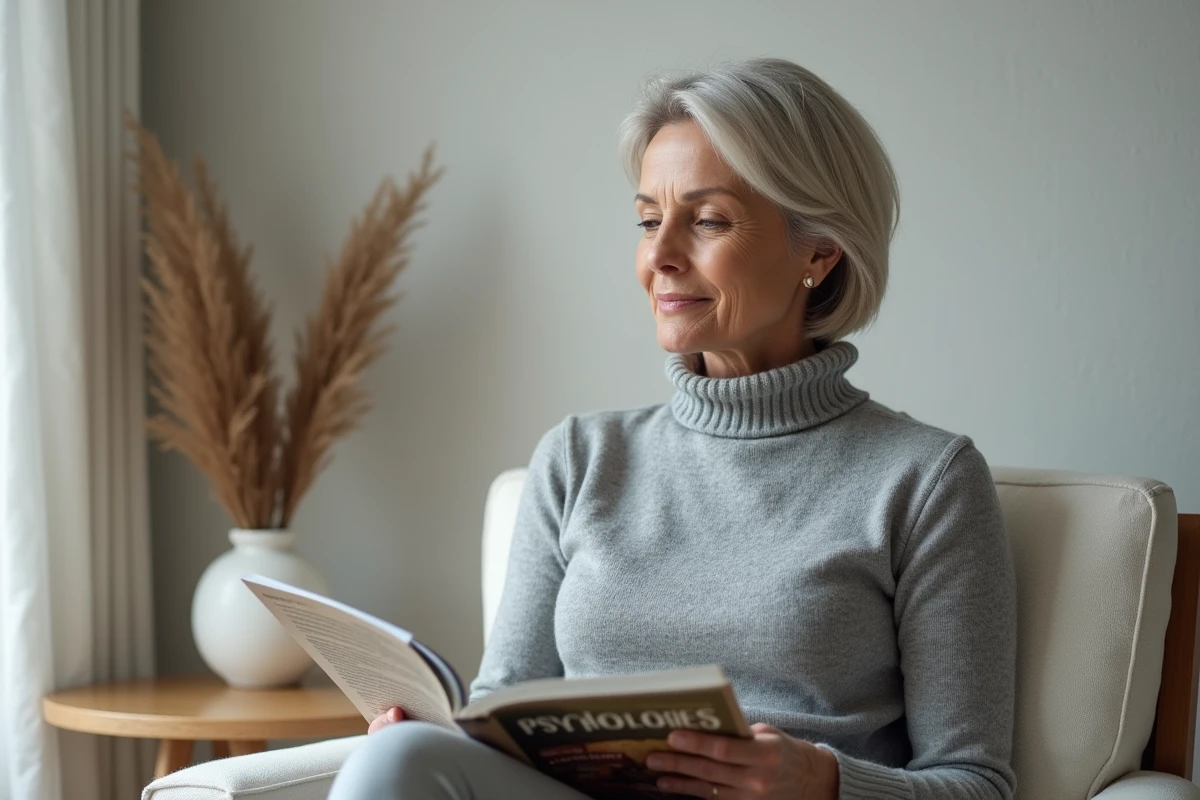
Psychologies Magazine steps outside the fashion perimeter to focus on personal development, relationships, and mental health. It is the only title in the ranking centered exclusively on psychology.
The monthly attracts a mixed readership, although the majority of subscribers are women. In-depth reports (stress management, conscious parenting, meditation) offer a rare editorial density in mainstream women’s press.
8. Madame Figaro
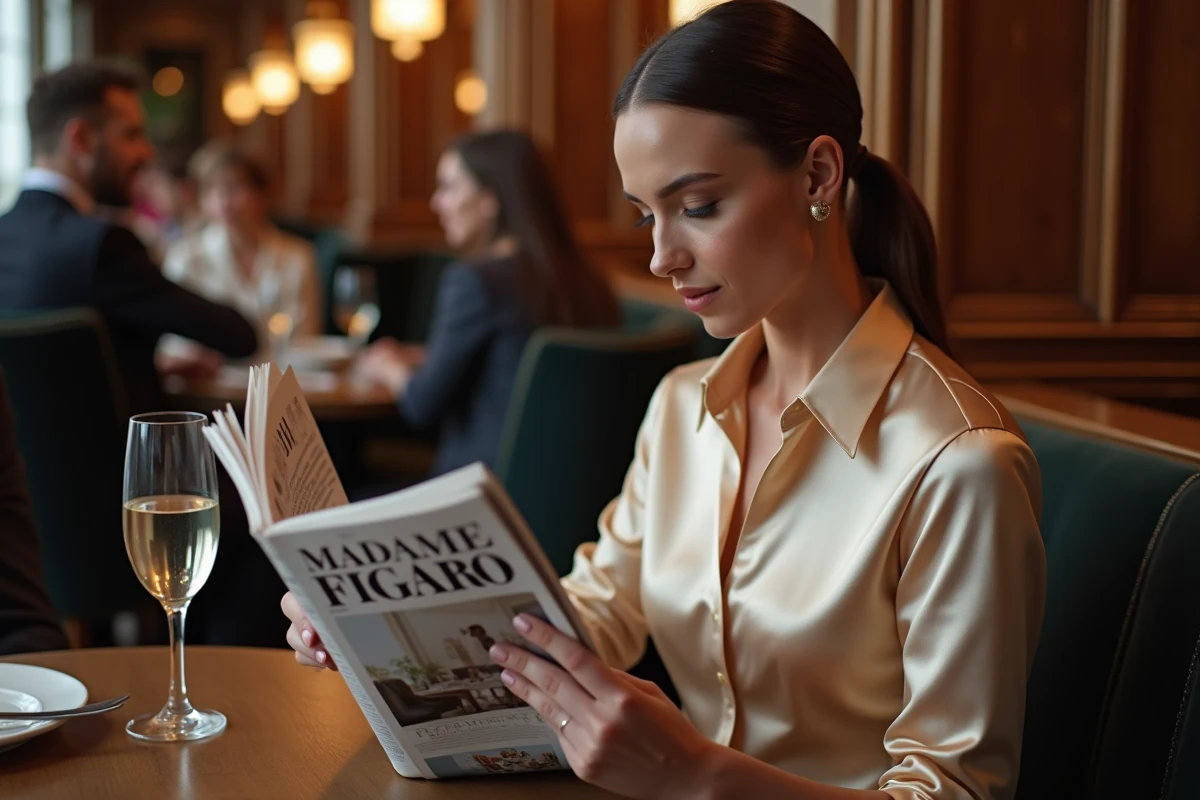
Madame Figaro positions itself in the premium segment: luxury fashion, culture, travel, and personality portraits. The weekly supplement of Figaro benefits from circulation linked to the daily newspaper, a model comparable to that of Version Femina.
The website publishes daily content on fashion, beauty, and society. Its readership is in a higher income bracket than the average of generalist women’s magazines, which influences advertiser choices and the types of brands highlighted.
9. Amina Magazine
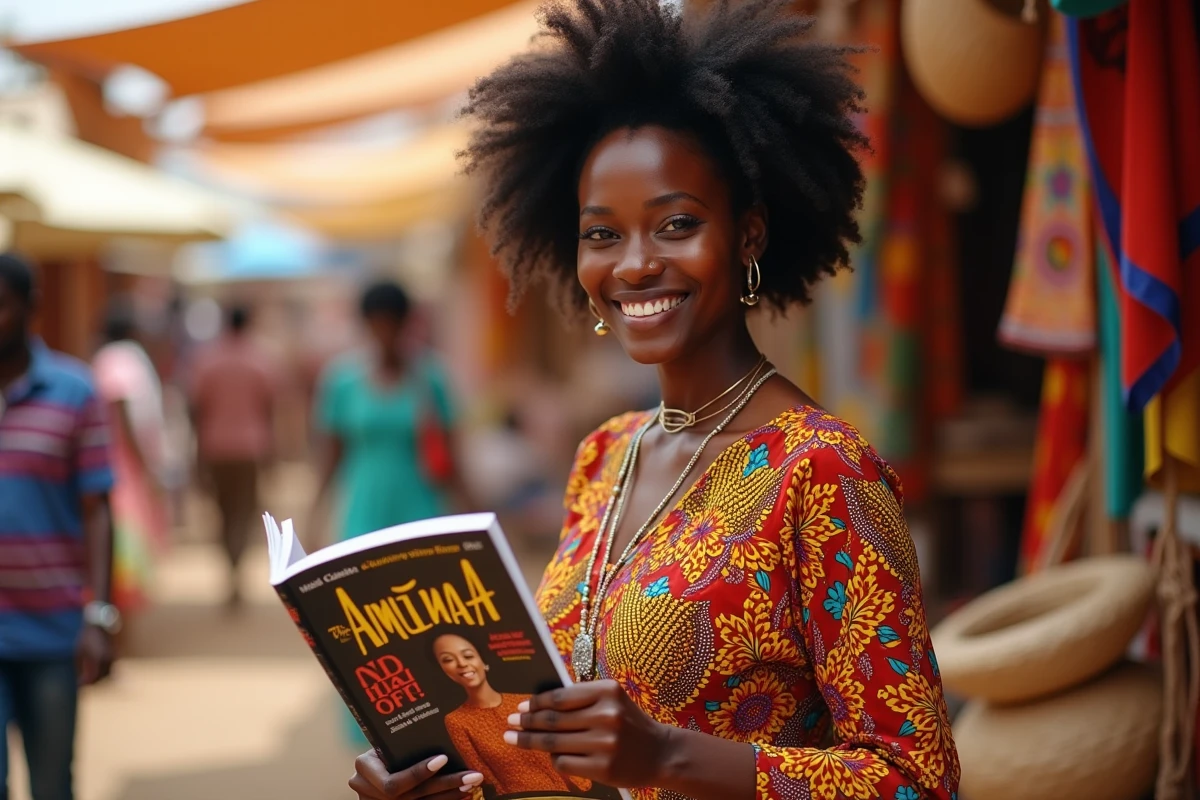
Amina Magazine represents the category of specialized women’s magazines known as “communities,” a segment that has seen significant growth in recent years. The title addresses black and mixed-race women with an editorial line focused on representation, empowerment, and Afro beauty.
In 2025-2026, Amina strengthened its online presence with interviews of personalities and regular brand partnerships. This positioning fills a gap left by generalists, who rarely cover these topics in depth.
10. Numéro
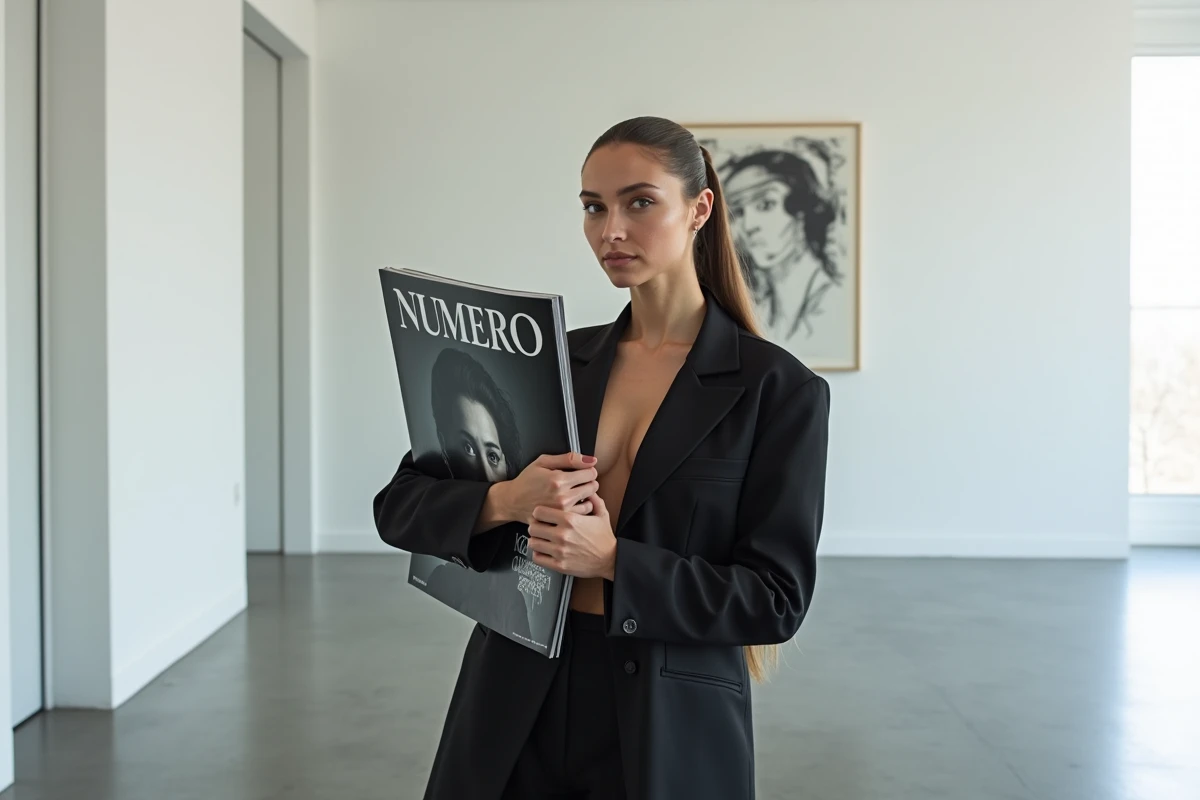
Numéro closes this ranking with a distinctly artistic positioning. The monthly publishes fashion editorials photographed by renowned artists, alongside cultural, design, and architecture reports.
The title targets a niche readership, passionate about creation and imagery. The monthly frequency and high price of the print issue limit its circulation, but Numéro remains a reference for editorial fashion photography.
The market for women’s magazines in 2025 is now viewed along two axes: print circulation, where daily press supplements dominate in volume, and digital audience, where the most responsive media brands capture a younger readership. The choice of a title depends as much on the reading format as on interests, and the rise of specialized women’s magazines shows that the sector is no longer limited to a handful of generalists.