
A cat limping after a failed jump, a dog swallowing a foreign object during a walk: the veterinary bill arrives unexpectedly. Pet insurance helps cover these expenses, but not all policies provide the same level of protection. Understanding the mechanisms of coverage, limits, and waiting periods helps you choose a plan that truly meets the needs of your dog or cat.
Waiting periods: the trap that few owners anticipate
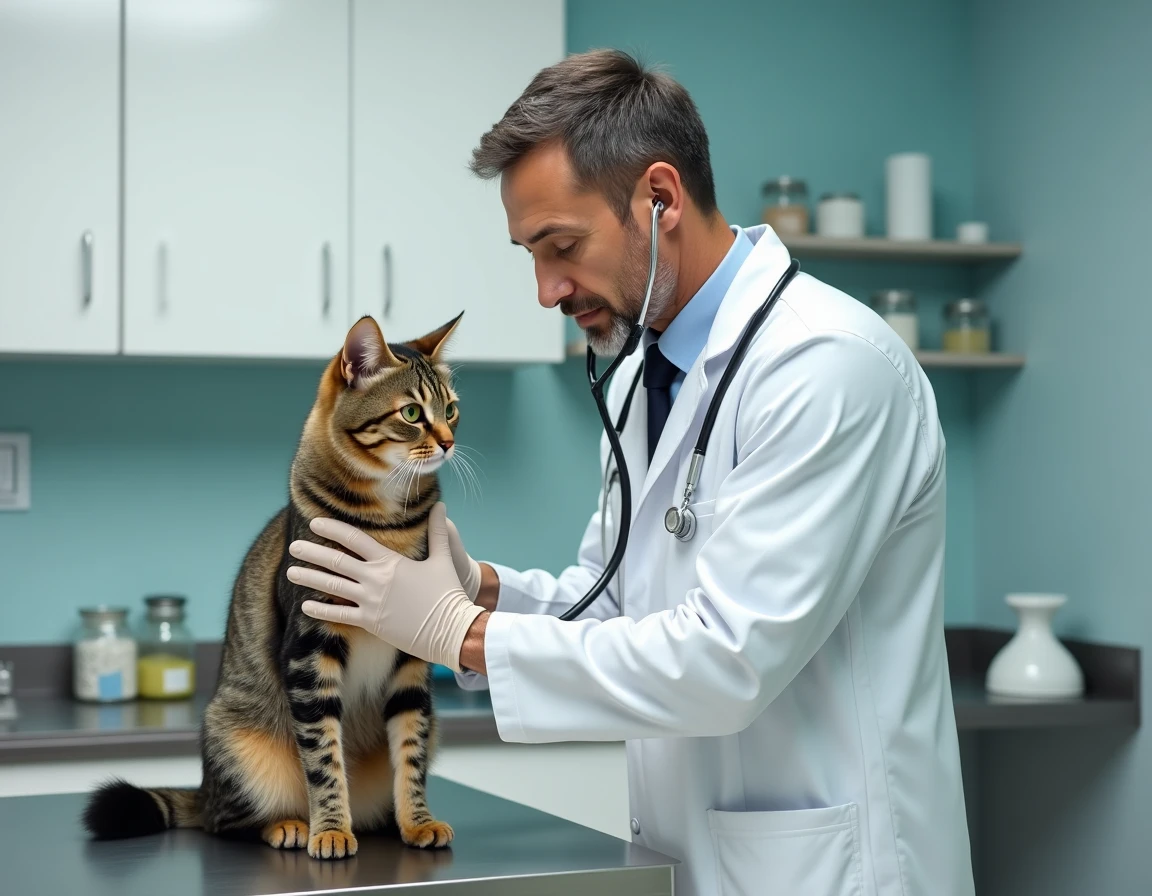
You just signed a pet health insurance policy. Your dog gets injured the following week. Surprise: the claim is denied. This is the principle of the waiting period, a time during which the insurer does not reimburse anything.
This period varies greatly from one policy to another, and especially depending on the type of claim reported. For an accident, the waiting period is generally short, sometimes just a few days. For an illness, it can extend over several weeks. And for certain specific procedures like orthopedic surgery, the waiting time can be even longer.
Before signing, compare these waiting periods item by item. A policy with an attractive price but long waiting periods for illnesses will leave you without coverage during a time when your pet needs it most. With the insurance offered by Syntonie Animale, you can identify plans whose waiting periods match your companion’s situation.
Annual reimbursement limit: the true indicator of good coverage

A high reimbursement rate is reassuring. But it only tells part of the story. What really limits protection is the annual reimbursement limit.
Let’s take a simple example. Your cat suffers from a chronic illness that requires regular care. Each consultation, each treatment chips away at the limit. If that limit is reached mid-year, you pay for everything else out of pocket, even if your policy provides for an 80% reimbursement.
When the limit makes a difference
For a young and healthy animal, a moderate limit may suffice. However, an animal requiring repeated care needs a high limit, or even an unlimited one if the policy offers it. This is true for breeds predisposed to certain joint, cardiac, or dermatological conditions.
Are you torn between two plans at similar prices? First, look at the limit, not the rate. A policy with a 70% reimbursement and a generous limit offers better protection than a policy with a 90% rate capped too low.
Wellness and prevention budget: what recent plans include
Pet insurance is no longer limited to accidents and illnesses. Some insurers now include a wellness budget dedicated to prevention. This package covers services that many owners usually pay for without thinking.
- Vaccinations, deworming, and antiparasitics, which represent a recurring annual expense for any dog or cat owner
- Gentle medicine practices like osteopathy or phytotherapy, increasingly recommended by veterinarians as a complement to traditional treatments
- Coverage for certain behavioral issues, a category often overlooked even though it may require several specialized consultations
This type of coverage changes the logic of the policy. Instead of only intervening in case of a problem, insurance supports the animal’s health on a daily basis. Not all policies offer this aspect: check for its presence in the specific terms before signing up.
Off-site coverage: veterinary care while on vacation or traveling
You are going on vacation with your dog. He falls ill hundreds of kilometers away from your usual veterinarian. Will the consultation with a local practitioner be covered?
The answer depends on the policy. Some plans limit reimbursement to care provided in your department. Others cover consultations throughout the entire territory, and a few even extend coverage abroad.
Travel and specific health risks
Travel exposes animals to risks absent from their usual environment. Recent recommendations emphasize rabies vaccination before any trip, as well as vigilance regarding summer emergencies (heatstroke, bites, ingestion of toxic plants).
Check that your policy covers emergency care off-site before each departure. Coverage that stops at the departmental border loses much of its usefulness for an animal traveling with its family.
Liability and health insurance: two distinct guarantees
A common misconception is that home insurance is sufficient. In reality, the liability included in a home policy covers damages your pet causes to a third party, not its own health expenses.
- The liability applies if your dog bites a passerby or if your cat damages property at a neighbor’s
- Pet health insurance covers your companion’s veterinary expenses: consultations, exams, surgery, medications
- Some policies combine the two, but most separate them: read the guarantees line by line
For category dogs, specific liability is also mandatory. Confusing these two protections can leave your pet without medical coverage when you thought you were protected.
Choosing insurance for your pet involves balancing reimbursement levels, annual limits, waiting periods, and the geographical scope of coverage. A policy tailored to your companion’s real needs takes into account their age, breed, lifestyle, and your travel habits. Taking the time to compare these criteria before signing up avoids unpleasant surprises when the bill arrives.